





News
Bloomberg Interview | Theresa Tse, Chairwoman of the Board of Sino Biopharm: Driving Innovation Through M&A, Accelerating the Implementation of Globalization Strategy
Release Date: 2026-01-15
On January 14, following the completion of the major transaction of a RMB 1.2 billion full acquisition of Hygieia, Ms. Theresa Tse, Chairwoman of the Board of Sino Biopharmaceutical Limited (1177.HK), was interviewed by the globally renowned financial media outlet Bloomberg. She elaborated on the strategic significance of this acquisition and answered questions regarding future investment layout, implementation of the globalization strategy, and other topics. Ms. Theresa Tse pointed out that Sino Biopharm is entering a new decade of development driven by comprehensive innovation. The company will continue to strengthen its innovation capabilities through high-quality M&A, accelerate its global business layout, and promote innovative achievements to benefit patients worldwide.
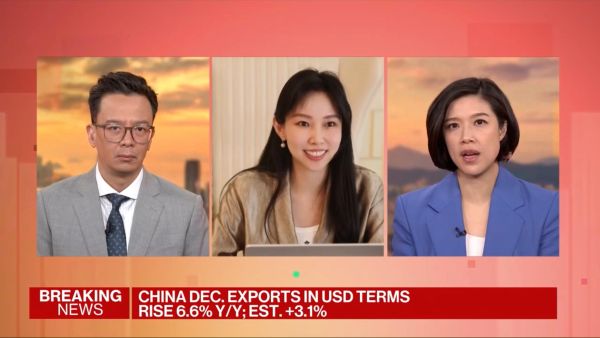
Bloomberg:Following the company's announcement of the RMB 1.2 billion full acquisition of Hygieia, we have noticed a significant increase in Sino Biopharm's stock price today. Sino Biopharm was listed on the Hong Kong Stock Exchange in 2000 and has grown to become one of the largest pharmaceutical companies in China. Its business covers multiple fields such as oncology, hepatology, respiratory, and surgery/analgesia, and it has recently entered the weight-loss drug track. Let's start with this acquisition. Why did you choose this company?
Ms. Theresa Tse:Over the past decade, we have completed the transformation from a generic drug company to a leading innovative pharmaceutical company in China, establishing a solid leading position in the fields of oncology and major chronic diseases. Last year, we acquired LaNova Medicines, which brought us a new generation of oncology product pipelines. Just yesterday, we completed the acquisition of Hygieia. Through this transaction, we will add more than 20 innovative projects, expanding our R&D pipeline in the fields of cardiovascular disorders and weight loss/metabolism. For example, the investigational THR-β agonist project can synergize with the Group's existing GLP-1 projects to build a very attractive product portfolio for metabolic diseases, further consolidating our long-term competitive advantage in the major chronic disease field.
Bloomberg:The company is transforming from a traditional large pharmaceutical company to an innovation-driven enterprise. You have completed two major acquisitions in the past year. Does this reflect your longer-term M&A planning? Will you continue to make acquisitions in the future?
Ms. Theresa Tse:We clearly see that China is at the starting point of a new cycle of innovative development. China is growing rapidly in both the depth of scientific research and the speed of development in the biopharmaceutical field, gradually becoming an important source of global innovation. In the past few years, we have established deep collaborations with more than 30 leading domestic biotech companies to continuously strengthen our own innovation capabilities. If we encounter partners of sufficiently high quality like LaNova Medicines or Hygieia in the future, we will definitely continue to pursue M&A.
Bloomberg:In terms of capital allocation, has the company set aside funds for subsequent acquisitions? When will these transactions likely start to generate returns?
Ms. Theresa Tse:Currently, the company's cash reserves are very abundant. Every year, we set aside several hundred million US dollars for M&A or other BD (Business Development) collaborations. Our R&D investment is also increasing annually because innovation truly requires long-term, high-intensity investment. The returns corresponding to these investments are gradually emerging. On one hand, some products will be launched in the coming years, enhancing the company's medium- to long-term growth momentum. On the other hand, many of our collaborations occur in the early clinical stages, especially in cutting-edge fields like siRNA, which are very suitable for expanding value boundaries through partnerships with global multinational pharmaceutical companies.
Bloomberg:Looking at the longer term, will changes in the pharmaceutical market environment affect the company's strategic positioning in the coming years? In terms of overseas expansion, does the company already have key regions of focus?
Ms. Theresa Tse:2026 is the first year of our new ten-year strategy, and the core keyword for this phase is globalization. As you mentioned, the pricing space in the Chinese market is relatively limited, so Chinese pharmaceutical companies must go to overseas markets to unleash their true potential on a global scale and provide innovative treatment options for patients worldwide. In terms of the innovative drug pipeline, we mainly seek cooperation with large multinational pharmaceutical companies and international biotech companies. For biosimilars and generic drugs, we focus on markets in Southeast Asia, South America, Europe, and the entire Asian market.
Declaration:
The copyright of this article is owned by the original author or our company. Unauthorized use by means of reprinting, copying, filming, adapting, or compiling is prohibited. The portrait rights for any individuals appearing in this article belong to the individuals themselves. Unauthorized use is prohibited.
- Previous:JPM 2026 | Sino Biopharm Leads in siRNA and Tumor Innovation Platforms, M&A Integration Unleashes Long-Term Growth Momentum
- Next:Major News! Sino Biopharm Acquires Hygieia for RMB 1.2 Billion, Joins Forces with "Industry Dark Horse" in Small Nucleic Acid to Accelerate Layout in Major Chronic Diseases